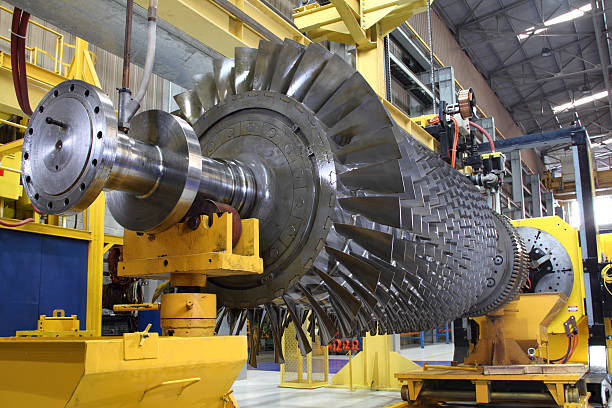
In the dynamic world of energy production, the pursuit for efficiency and power maximization is relentless. One of the most effective methods of enhancing power output is by increasing the temperature within gas turbines. This approach not only elevates the thermal efficiency but also contributes significantly to the overall power generation capacity. Understanding the implications of temperature increases and their role in power augmentation is crucial for industries aiming to optimize their operations.
Understanding Temperature Increases
Temperature plays a pivotal role in the operation of gas turbines. By increasing the firing temperature, the energy extracted from the fuel is maximized, leading to improved power output. This is a core principle in many performance enhancement strategies, including firing temperature increases.
The Science Behind It
The increase in output temperature allows for:
- Higher thermal efficiency due to better energy conversion processes.
- Enhanced power output, which results from more effective fuel combustion.
- Increased operational flexibility, allowing for variations in power demand.
Advantages of Increasing Output Temperature
The implementation of output temperature increases offers several benefits:
- Improved Efficiency: Higher temperatures enhance the Brayton cycle efficiency, a key factor in power generation systems.
- Cost-Effectiveness: Optimizing temperature can lead to reduced fuel consumption, thus lowering operational costs.
- Environmental Benefits: Efficient energy use reduces emissions, contributing to sustainability efforts.
Technical Considerations
While increasing temperature can seem advantageous, it requires careful consideration of:
- Material durability to withstand higher temperatures.
- Advanced cooling technologies to manage heat effectively.
- Maintenance procedures to ensure reliability and safety.
Implementing Temperature Increases in Power Systems
Successfully integrating temperature increases into power systems involves a strategic approach:
- Conducting feasibility studies to understand the potential impacts and benefits.
- Upgrading existing infrastructure to accommodate higher temperatures.
- Training personnel to manage and operate enhanced systems efficiently.
These steps are integral to achieving power augmentation and ensuring a seamless transition to more efficient power generation practices.
Challenges and Mitigations
Several challenges can arise when increasing temperatures in power systems:
- Material Constraints: The need for high-temperature resistant materials can increase costs.
- Operational Risks: High temperatures can potentially lead to increased wear and tear.
- Regulatory Compliance: Adhering to safety standards is crucial when implementing temperature increases.
Mitigation strategies include investing in advanced materials, implementing robust maintenance schedules, and adhering to stringent safety regulations.
Conclusion
Enhancing power output through temperature increases remains a compelling strategy for modern power generation. By understanding the science, recognizing the advantages, and addressing the challenges, industries can effectively optimize their operational efficiency and power output. This strategic approach not only bolsters energy production but also aligns with global sustainability objectives.